Our passion for ribbon microphones runs deep. It’s woven into every ribbon and microphone we craft. But the mics would not be possible without the skilled hands and minds of our team. That’s especially true of the visionary leaders who guide our path.
It was Wes Dooley who took AEA from RCA repairs, to one of the most respected names in ribbon microphones. But, a couple of years ago, Wes put his company in the trusted hands of Julie Tan with the knowledge and trust that she would guide it into the future while holding true to the values and standards we hold dear.
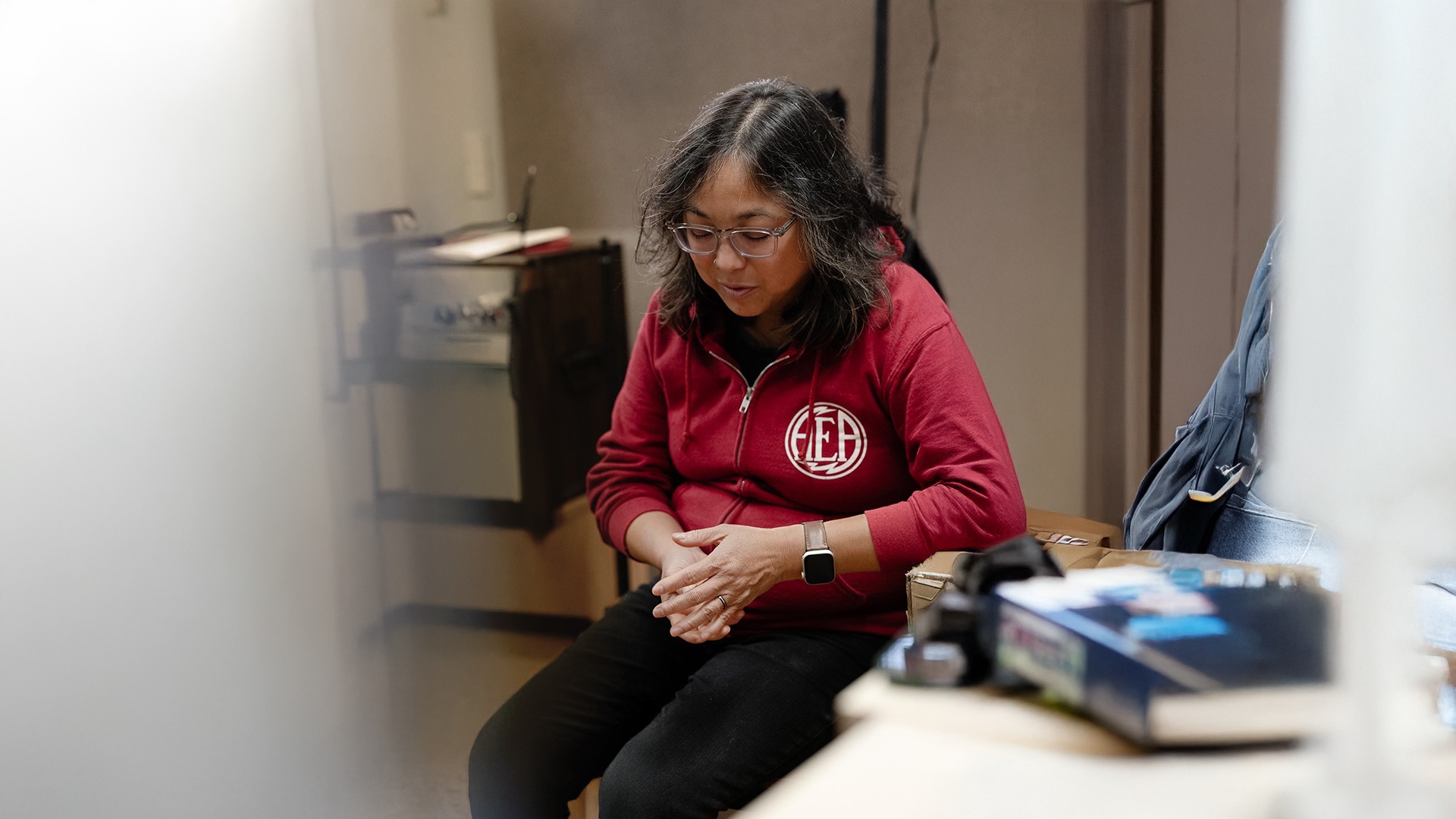
Today, we spotlight Julie, AEA Owner and CEO. Join us as Julie discusses her journey, her vision for AEA, and her thoughts on the ribbon microphones world.
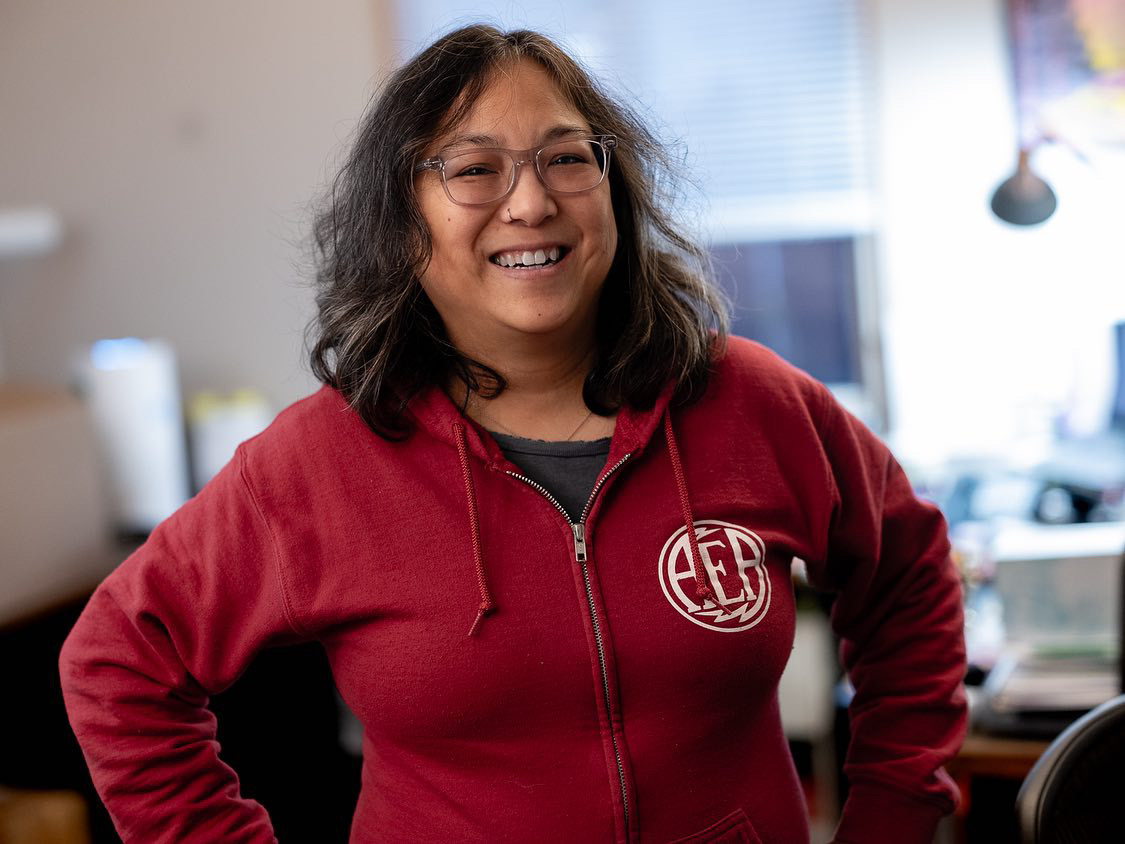
How did you start in the audio and recording industry?
I actually didn’t intend to work in MI or Pro Audio. I wanted to be a musician, but I did study recording in college. I thought, “learning recording could probably get me a career, or at least keep me in the music program without having to go fully deep into technical classical guitar studies.” [Laughs]
Then, when I came out of school in ‘92, I took whatever jobs I could. I was working as a production assistant (PA) on call at MTV. I did a bunch of MTV Unplugged. It was like 12 to 16- hour days that pay you like, 75 bucks a day. So I was looking in the back of Hollywood reporter for a PA gig and came across an ad that AMS/Neve needed an office admin person. That’s how I got started in the industry.
You’ve done a lot in the pro audio and musical instrument industries since then.
Definitely. While working at Neve, I met some people who were working at Alesis. They were instrumental in designing their drum modules and all that stuff. They said, “The company’s growing, there are so many opportunities that you need to come here.” So then I put in an application there, and, by the time I left, I’d been in international sales, the international marketing manager, and the regional sales manager for international.
After I worked for Alesis I went to Line 6. I was asked to kick-start their international sales department. But by the time I was 30 I had risen through their ranks and had traveled to over 40 countries. I was flying around the world, and it was all work all the time. It was taking a physical toll, and I just got tired.
So I literally gave two weeks notice and signed up for a term at Musicians Institute so I could just go play guitar and drums for a little bit and hard reset.
Then in 2015, I got a call from an old friend who was heading sales and marketing at TC Group, and telling me that Music [Tribe] was buying TC and that they needed somebody to do the US marketing. So I was there through that merger and until they closed the LA office down in 2019.
And then AEA called?
It was a couple years later. A friend of mine that I’d worked with at Alesis was doing all the purchasing and overseeing manufacturing for Wes and Sara [Dooley]. He called me up out of the blue and was like, “Hey, would you be interested in a sales consulting gig?’
I have to be honest with this, I didn’t even know what AEA was, because I don’t specifically come from the mic world. So, I had to start with a simple Google search. “What’s an AEA ribbon mic?” [Laughs] Anyway, I met with Wes and Sarah, and I was really impressed.
They were making these amazing ribbon microphones that were used by some of the top artists and engineers in the world. I was also really drawn to their passion for it. They really believed in the technology and they were committed to making the best ribbon mics possible. So I agreed to help them out with their sales and marketing for a year.
How did you go from sales and marketing consulting to buying the entire company?
When I Googled AEA, I remember thinking, “Wow, $4,000 ribbon mics. Who buys these?” I mentioned it to a colleague at my first NAMM as AEA’s owner, and he said, “Well, you bought them all now!” [Laughs]
I share that because, yeah, I did buy them all because I’ve been converted and believe in them now. In the year that I worked for AEA, I saw the customers have such incredible loyalty to these mics. There are such evangelists. Once people purchase one and start using them, they literally want to collect them all. It’s like, “Oh my gosh, I love my R88. I think I need an R84!” or “I love the R84. I think I need an R44!”
I also saw the potential in AEA as a force in the audio world. At the time, they were one of the very few companies that was really keeping the ribbon mic alive. Not just producing ribbons as a novelty, or an afterthought. I wanted to be a part of preserving that legacy and knew that I could take the brand to the next level.
Why is preserving that legacy so important to you?
Like I said, AEA is one of the few companies that has kept the ribbon mic alive, and I want to support Wes’ dedication to that.
Also, one of the reasons Wes sold to me was that he was concerned that the company would be moved out of LA, that the products would move overseas and the whole legacy of the brand would go away. But I want to preserve that history because it’s a part of audio history, part of music history, part of LA’s music history, and it’s something that we should be proud of.
These microphones have captured some of the most iconic sounds in recording history, and we have a responsibility to carry that on.
How does legacy inform your leadership at AEA?
We have an incredibly talented team here at AEA, and they are extremely important to Wes and me. So I want to create an environment where they can thrive and do what they do best. A lot of them have been here way longer than me!
I think it’s important to empower them to do their jobs, and to be good at their jobs, and to have a sense of ownership. If they feel like they’re part of something, and that they’re contributing, and that they’re valued, then they’re going to do their best work. That’s where the best mics come from.
How do you balance AEA’s pursuit of innovation with maintaining the legacy of a traditional mic design?
Even though he was working with an older, “traditional” mic design, Wes innovated by bringing ribbon mics back into the conversation. He really revived the appreciation for the natural, full-spectrumed, warm sound that only a ribbon mic can provide. It’s our job to build on that with innovative designs and pushing the boundaries of what ribbon microphones can do.
Today, we’re always exploring new ideas and experimenting. There’s still so much potential there. Obviously having active mics was a big part of our innovation. They’re a great example of the products evolving to adapt to today’s recording world. We’ve only just scratched the surface of what ribbon mics can do.
Does your previous musical background influence your work at AEA?
Yes. I think having a passion for music helps drive the decisions that I make. I’m not just looking at things as a business person. I’m looking at them as a musician, an engineer, and a consumer of music. It gives me a deeper understanding of what our customers want and how our microphones can help them.
Our customers are extremely important to us. We want them to feel like they’re part of the AEA family. We want them to know that we’re always here to support them. We’re passionate about recording and want to help them get the most out of their mics.
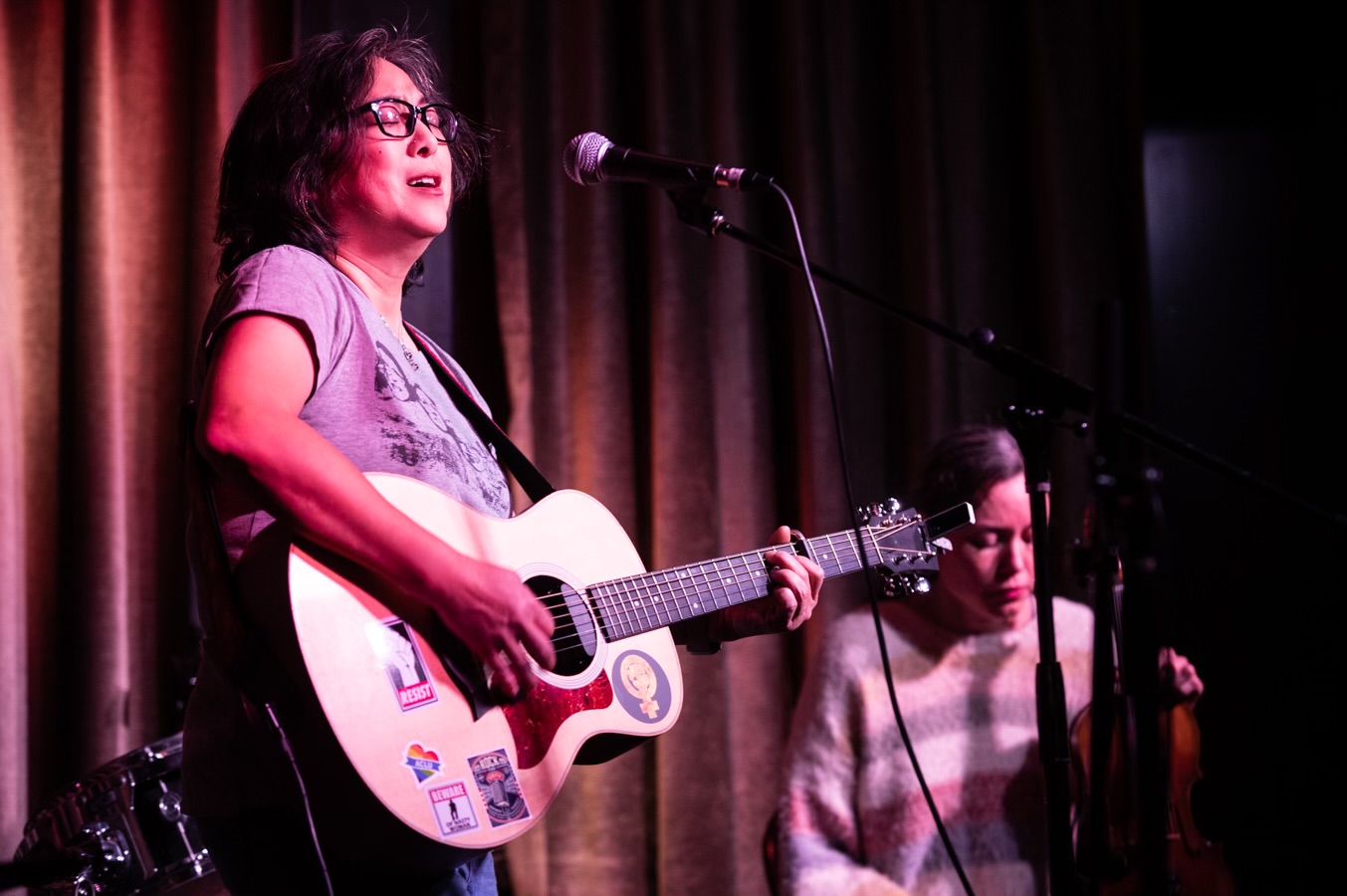
What is your vision for the future of AEA?
We know who we are and, though things evolve over time, we believe our dedication to excellence and our passion for ribbon microphones and sonic excellence will continue to resonate for years to come. But it takes a community to do it, especially as we compete with overseas and copy-cat products.
That’s why I’d love to build a consortium of Southern California analog audio brands. I want to build around, and maintain, some of that history here. AEA is a Southern California brand. We’re proud of that, and it’s important to me to build a community and support other like-minded businesses in the area. I believe that by working together, we can preserve the rich history of analog audio in Southern California and continue to innovate for future generations.