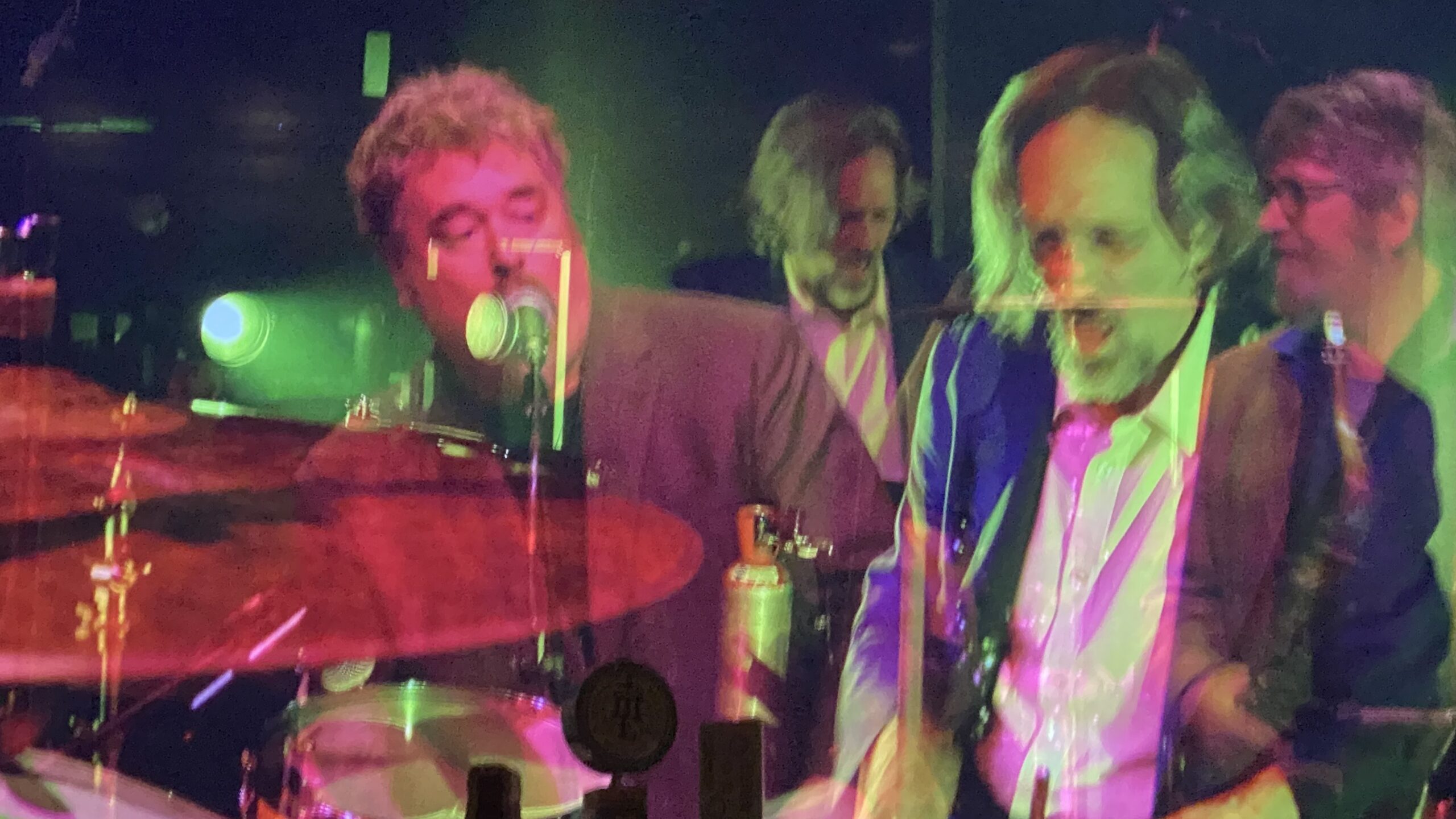
Since 1969, Hyde Street Studios has served as a creative hub in San Francisco. Founded by Wally Heider, he wanted to give artists an alternative to the rigid LA studio system. He did just that by creating a multi-room facility that became a cultural landmark, recording legends like the Grateful Dead, Tupac Shakur, Green Day, Santana, and countless others.
Now owned by Michael Ward and operating under a successful co-op business model, the studio remains home to a vibrant collective of producers, engineers, and musicians.
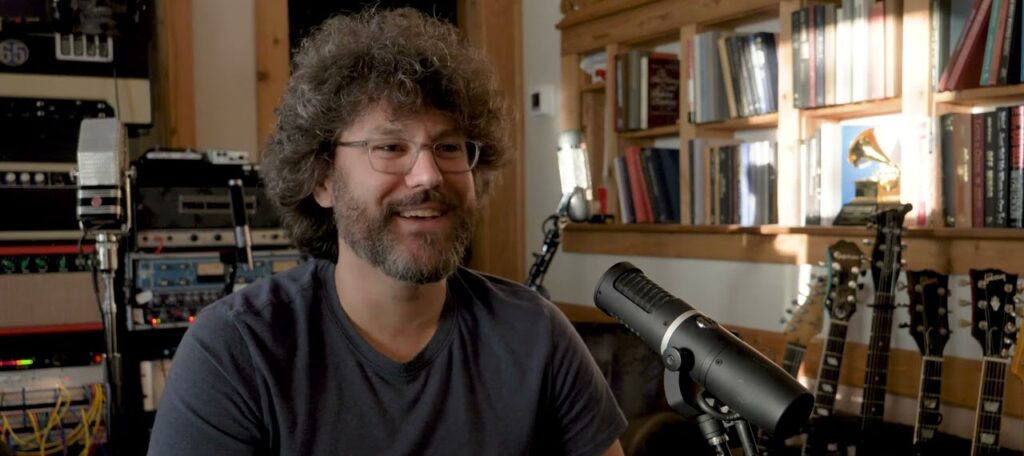
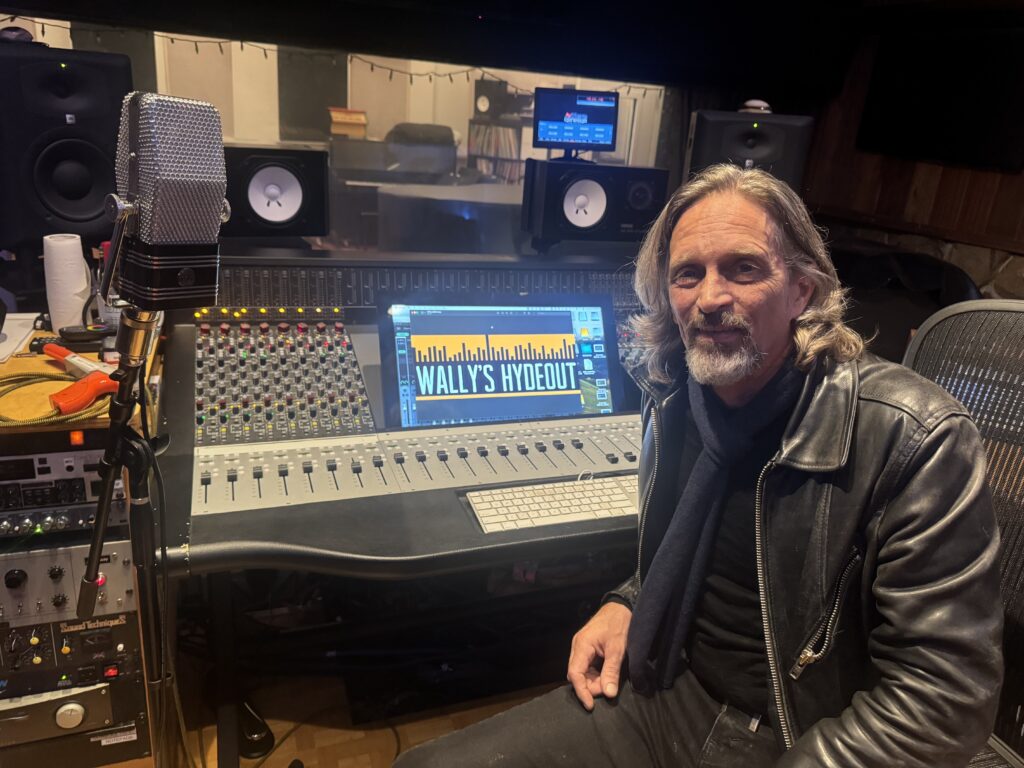
Chris McGrew is one of them. Engineer, producer, and studio partner, he runs Wally’s HydeOut (Studio C) at Hyde Street Studios. As busy as ever, he caught up with AEA during a flight layover to discuss the studio, preserving its legacy in a new documentary, and why he goes straight to his AEA ribbon mics for just about everything.
Hyde Street has an important legacy in American recording. How did you get involved with them?
I was recording there with a band, and just happened to meet some of the people who leased one of the studios. They needed a partner, so I kind of found myself in the right place at the right time.
I stumbled into one of the best drum recording rooms ever built. It was designed and built by Wally Heider and Bill Putnam, and it has acoustic perfection for tracking drums. I’m a drummer, and I really specialize in tuning and recording drums, so it was a perfect fit for me.
Mic choice is vital to bring out the best in a room like that. What do you use?
Definitely. When you have a room with really great acoustics, like we do, you want to show it off. That’s what led us to AEA mics. The ribbon mics really make the room acoustics shine.
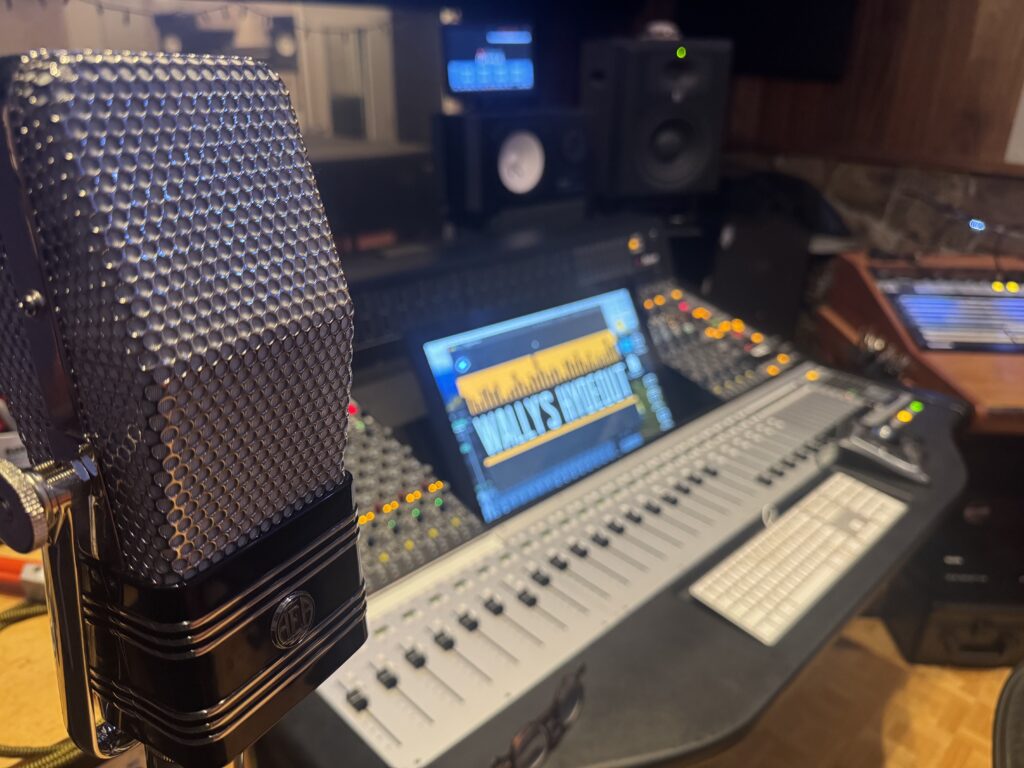
They give us just the right representation of the space. Especially the R88, which has become my Swiss Army knife for all sessions. I use it as a room mic, overheads, piano, you name it. That mic has become essential for capturing the room sound. You could even put it on a lead vocal.
Do you use other AEA mics for different applications, or does the R88 cover it for you?
We’ve got a library of AEA mics. We love them. We have a pair of the replica 44s. When you’re doing backing vocals and horn sections, I’ll put people facing each other. They’re great for that. You get a little bit of pickup off the backside of the other person’s mic, so it creates this natural blend.
We actually did a shootout between a vintage RCA 44 and the current 44. We set them both up and ran a blind test. We ended up picking the new one! I think the vintage one just had some dust on the ribbon after 60 or 70 years. It was a little murkier.
We’ve also been using the KU5As. Those front-address ribbons are great for recording everyone live in the room. You get better separation. Say I want to put horns in the same room as the rhythm section — those mics are perfect. Or if I want the horns side by side, like they would be on stage, but don’t want a ton of bleed between them, the KU5A works really well.
You’re clearly loyal to AEA gear. You even use the RPQ preamps. What do you like about those specifically?
We have three of those. We have an old RPQ1 with the blue face and RPQ2s. I really love the transient control. It helps make up for the softness that’s inherent in ribbon mics. They let you dial in more clarity. I’ve been really happy with them.
Hyde Street Studios is working on a documentary about its history. Tell me more about that project.
It’s called When the Sound Hits the Walls. It’s about how the studio maintained its culture as a vibrant hub for iconoclastic, groundbreaking music. It’s always been structured so people can self-determine their path. It’s always been accessible to the community.
A big part of that is the co-op model. If one person had to fill all three rooms through all the changes in the industry, it wouldn’t have lasted.
Speaking of the community. You brought in some familiar friends for the documentary. Tell me about the bands that were involved and how that worked out.
We brought in The Headhunters. They recorded their first three records at Hyde Street, so it felt like a natural fit. We used the budget of the film to give them studio time, and we shot new material during those sessions. That concept worked so well, we decided to do it again with Fishbone.
I’m guessing you used AEAs on those sessions, too?
Yes. All the saxophone parts on The Headhunters record were done with either the R84, the R44, or the KU5A. We did a version of “ESP” with two saxophones side by side in the booth, each miked with a KU5A. You can hear a bit of off-axis color and room happening. It sounds really cool and natural.
On the Fishbone record, we recorded this big brass section, and you can really hear the warmth of the 44s in that section. We put the trumpet and trombone players 10 feet apart, facing each other. You can really hear that on the single “Last Call in America.”
That was a creative way to finance recording those records. I know building a sustainable artist ecosystem is important to you. How can artists find solutions like yours and overcome the challenges of today’s recording economy?
It’s really hard for artists to get a return on their investment. And I don’t feel great charging people to make a record if they don’t know how they’ll make that money back. That’s why we need to build platforms where artists can go direct to fans. We’ve got to think like businesses under pressure and cut out the middlemen, vertically integrate, and build systems that help artists connect directly with fans. That’s what I’m trying to do with Alert the Globe, Telling Vis